
Do you like our content?
Add TN as a preferred source on GoogleThe Ministry of Industry, Mines and Energy is working on implementing a programme comprising several measures and projects aimed at boosting electricity generation capacity and ensuring a reliable power supply during the summer of 2027.
The programme notably includes adding 150 MW through the installation of turbine cooling systems, integrating 300 MW from renewable energy sources, and installing gas engines with a total capacity of 200 MW, said Slah Zouari, the minister currently in charge of the department.
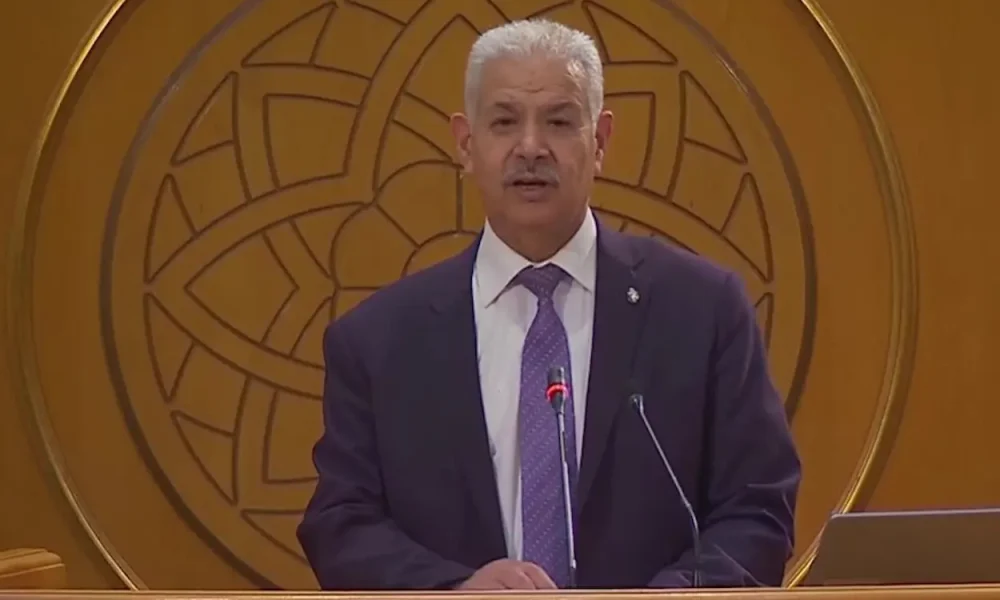
Responding to MPs’ questions during a joint plenary session of the Assembly of the Representatives of the People and the National Council of Regions and Districts, held this Sunday to discuss the Ministry of Industry, Mines and Energy’s 2027 budget, Slah Zouari explained that the production-enhancement programme also provides for the possibility of increasing the additional capacity generated by renewable energy projects from 300 MW to 500 MW. This could be achieved through support for investors and the acceleration of project implementation procedures. He noted that some of these projects are expected to become operational from February 2027.
The minister added that his department is working to install dedicated cooling systems on several existing turbines. This operation is expected to add 150 MW during the summer of 2027, followed by a further 100 MW in 2028.
The programme also includes the installation of gas engines with a total capacity of 200 MW. Initially, this capacity was to be divided into two phases: 100 MW during the summer of 2027 and the remaining 100 MW in 2028. However, following the opening of bids, the possibility of bringing the entire capacity into operation before summer 2027 is now being considered.
Regarding efforts to strengthen generation capacity, Slah Zouari said the Tunisian Electricity and Gas Company (STEG) had successfully brought the turbine at Borj El Amri back into service after a period of inactivity, restoring an estimated 300 MW of generation capacity within what he described as a record timeframe.
He also announced that a company had been selected to install a third turbine as part of a consultation process involving major projects. With an estimated cost exceeding 600 million dinars, the project is unlikely to become operational during the summer of 2027, but is expected to provide more than 300 MW before the summer of 2028.
Furthermore, the minister announced that Tunisia is moving towards integrating an electricity storage system for the first time, following the launch of the tender and the opening of bids. The objective is to install a total capacity of 300 MW, initially divided into 150 MW before summer 2027 and an additional 150 MW before the end of the same year. The possibility of accelerating the implementation of the entire capacity before next summer is also being considered.
With regard to the energy transition, Slah Zouari recalled that renewable energy sources currently account for 9% of electricity generation, compared with 6% previously. The ministry aims to raise this share to 16% in 2027 and 35% by 2030.
He explained that work on the remaining planned projects would continue throughout 2028, as several approved concessions require additional time to be completed. In this regard, he stressed the need to closely monitor investors and accelerate the fulfilment of their commitments.
In a related development, the minister said that a programme had been drawn up to manage electricity demand during peak hours. It notably involves direct consultations with customers connected to the medium-voltage network, particularly companies with high levels of electricity consumption during these periods, in order to negotiate mechanisms to adjust their consumption patterns.
The programme also provides for an incentive scheme encouraging customers to shift part of their electricity consumption to periods when generation costs are lower. In return, they could benefit from preferential rates below the standard tariffs.
Finally, Slah Zouari stressed that implementing these measures requires coordination among all relevant bodies, as well as regular monitoring of the projects. He said the ministry holds weekly meetings to assess progress and address administrative and technical difficulties that could delay project implementation.
Do you like our content?
Add TN as a preferred source on Google
What's happening in Tunisia?
Subscribe to our Youtube channel for updates.