Do you like our content?
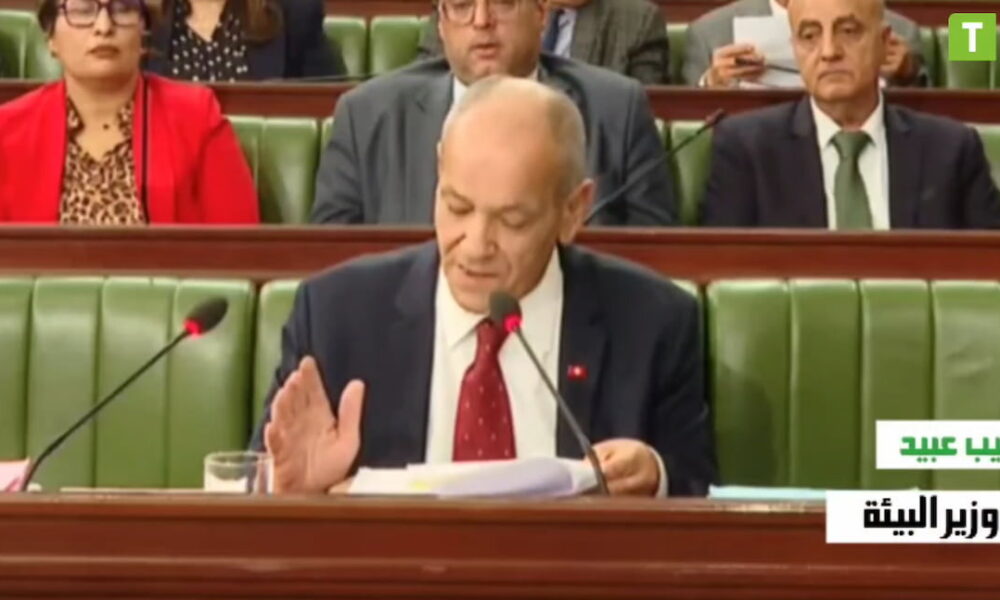
Add TN as a preferred source on GoogleEnvironment Minister Habib Abid announced that Tunisia is mobilising international funding to implement a comprehensive programme aimed at protecting the coastline, combating coastal erosion and stabilising sand dunes. The funding includes €61 million (approximately 200 million dinars) from the Netherlands and €25 million (around 83 million dinars) from Germany, in addition to funds allocated to coastal protection projects in the governorate of Gabès.
The announcement came during the minister’s response to questions and interventions from members of the Assembly of the Representatives of the People and the National Council of Regions and Districts, at a joint plenary session held on Monday to examine the 2027 budget of the Ministry of Environment.
Abid explained that the Dutch funding would be allocated to beach nourishment works, involving the replenishment of beaches with sand. The German funding, which the ministry is working to secure, will be directed towards coastal protection works and the installation of protective rock structures.
He added that the governorate of Gabès would benefit from a dedicated intervention programme, including €9 million (approximately 30 million dinars) in funding to protect its coastline, as well as €3 million (around 10 million dinars) from the Global Environment Facility (GEF). He stressed that the ministry intends to continue and expand its interventions in the region.
In the same context, the minister announced plans to launch a study on protecting the coastline in the governorate of Sfax, covering the stretch between Garkour and Mahres. He noted that no comprehensive study currently exists for this area. The ministry will submit the terms of reference to the relevant stakeholders before launching the study.
Regarding sand dune stabilisation, Abid said the ministry was identifying the areas requiring intervention, while taking into account the natural characteristics of each site. He pointed out that certain locations, such as Zouaraa, would not be included in the sand removal and redistribution programme, as the environmental challenges there differ from those affecting other areas. Other sites requiring dune stabilisation will, however, be covered by the planned interventions.
On biodiversity, Habib Abid highlighted the Green Belt Project as one of the ministry’s flagship initiatives in this field. More than 50 million dinars are expected to be allocated in 2027 to continue implementing the project, in cooperation with the United Nations Food and Agriculture Organization (FAO) and several international organisations.
The minister also confirmed that reforestation programmes and the development of green spaces would continue. However, he acknowledged that the ministry was facing financial difficulties in managing public parks, despite having established around 15 parks in various parts of the country. He suggested that municipalities could take responsibility for managing these facilities or that their operation could be entrusted to the private sector under appropriate arrangements.
Abid reaffirmed the ministry’s commitment to pursuing coastal protection programmes and rehabilitating damaged areas, through the mobilisation of international funding and its allocation to projects considered environmental priorities.
Do you like our content?
Add TN as a preferred source on Google
What's happening in Tunisia?
Subscribe to our Youtube channel for updates.